

Is "latch-uh" actually a colonizer pronunciation?
We're digging deeper in to the latch-uh vs. lay-shuh debate, and I'm dropping historical truth nukes

I’m in the VERY niche internet space of people who debate whether there is a “correct” way to say Appalachia. It’s mostly comprised of people arguing for a pronunciation based on vibes or personal experience, some who dip their toes into a xenophobic pond, and some who believe there’s a historical justification for how to say it.
That last group is what I’ve been most interested in. If you peruse the comments on a video or post I’ve made about “latch-uh vs. lay-shuh,” you’ll find people arguing that the word comes from the Indigenous Apalachee people, and therefore that “latch-uh” is the “correct” pronunciation.
Sometimes this comes with a smug “well, actually” tone that, for lack of a better descriptor, attempts to woke-scold1 someone who says “lay-shuh.” But for the most part, I think some people genuinely believe that saying “latch-uh” is a way of preserving an indigenous pronunciation.
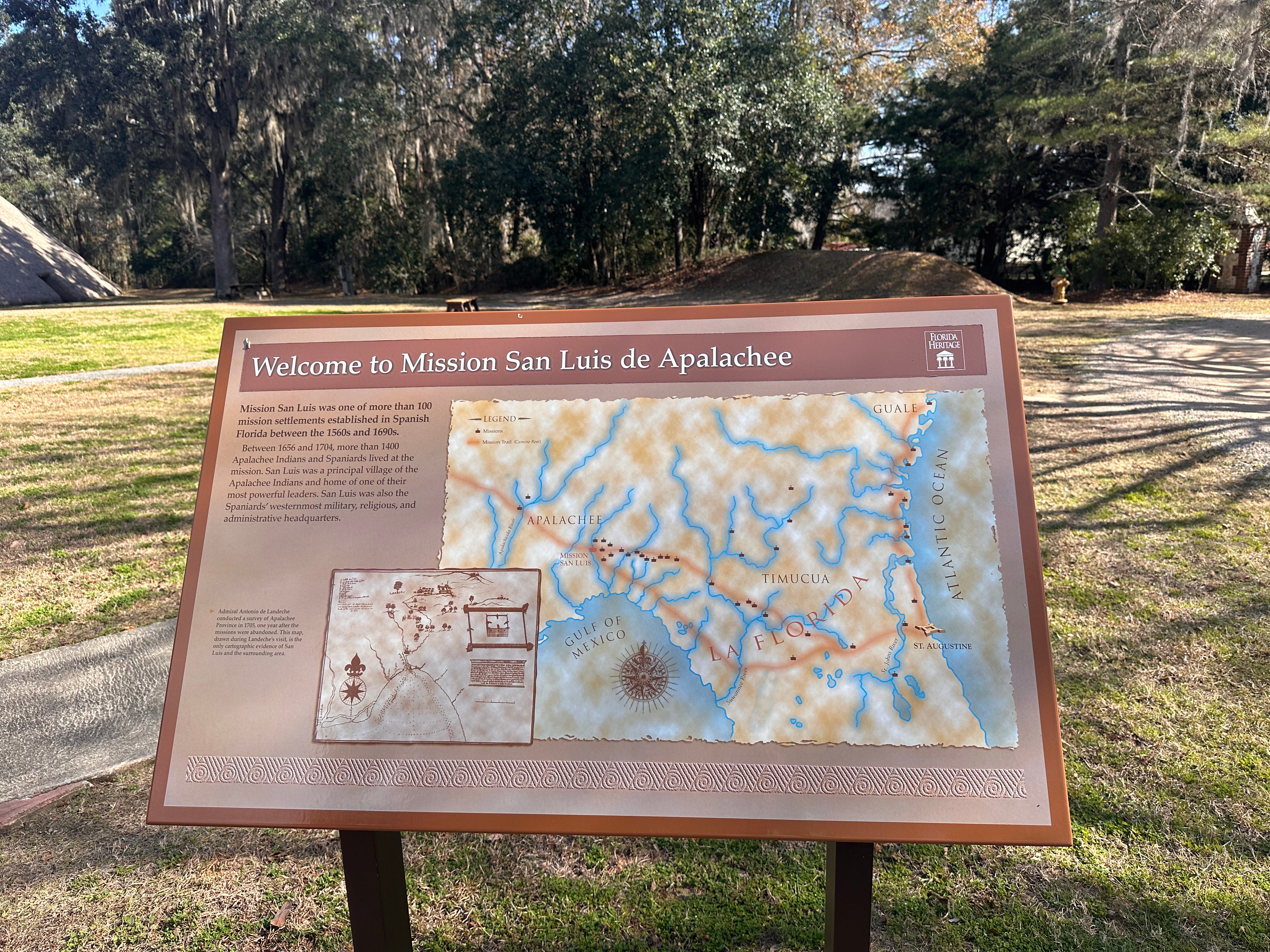
Because I am stubborn—and wanted to dig deeper to assess the validity of this theory—I decided to do some research into the Apalachee, their language, and whether the origins of “App-uh-latch-uh” can actually be traced back to them in the way people claim.
I apologize. The title of this post is a bit of rage-bait, but I couldn’t resist. Hopefully you’ll bear with me.
I want to premise this by saying that this topic is a bit convoluted and there is at least some historic question marks when it comes to how events unfolded hundreds of years ago. I’ve combed through a number of resources, but I’m also open to the idea that I may be missing additional resources shedding more light. I will make edits to this as needed in the event that comes to light.
Apalachee Language status — it’s complicated
The Apalachee language was part of the Muskogean language family, and the term “was” is very important, because it is unfortunately extinct as far as we know.
There is very, very little documentation of the language itself.
Apalachee, spoken in west Florida, became a written language in Spanish missions and as a consequence is documented by a letter of 1688 to the king of Spain (Kimball 1987, 1988), but it ceased to be spoken among the remnant of the Apalachee in Louisiana in the nineteenth century. (Source: The Indigenous Languages of the Southeast by Ives Goddard)
The one letter to rule them all
Based on a few sources I’ve found,2 the only known document in Apalachee is a letter written in 1688 to Charles II of Spain and published by Buckingham Smith in 1860.
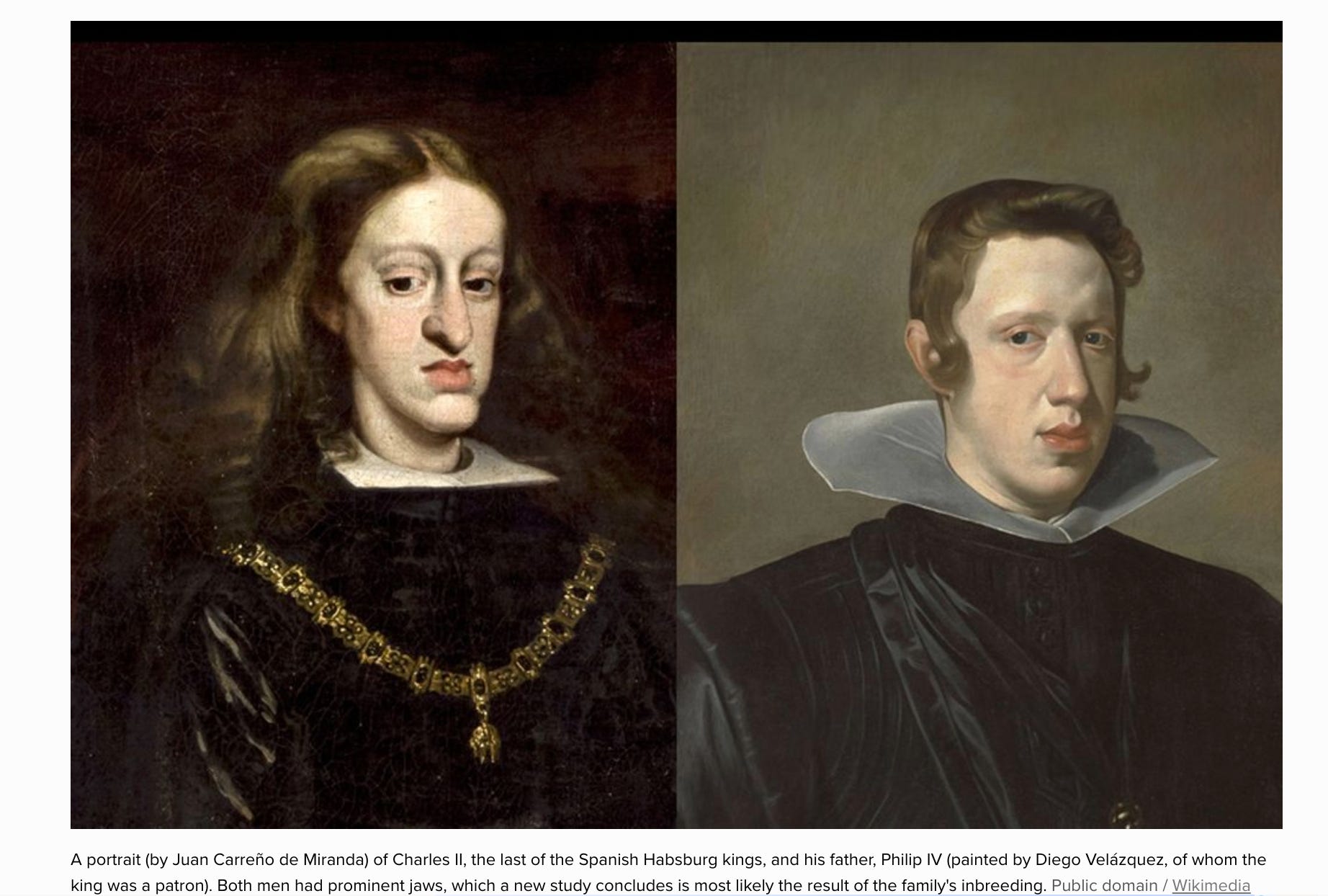
“so then just read the letter, Chuck3”
Well, it’s not that simple to translate a letter from a language that is extinct, dear reader.
According to the International Journal of American Linguistics, there has only been one published attempt to translate portions of the letter, but it is “so replete with errors that it is essentially useless.”
Who the hell actually named this place? It’s also complicated…
There is some consensus that the origins of the term “Appalachia” come from Spanish expeditions into the present-day Florida panhandle — where the Apalachee people lived.
De Soto Expedition
Bear with me, because the way this information was organized in academic writings was a bit convoluted.
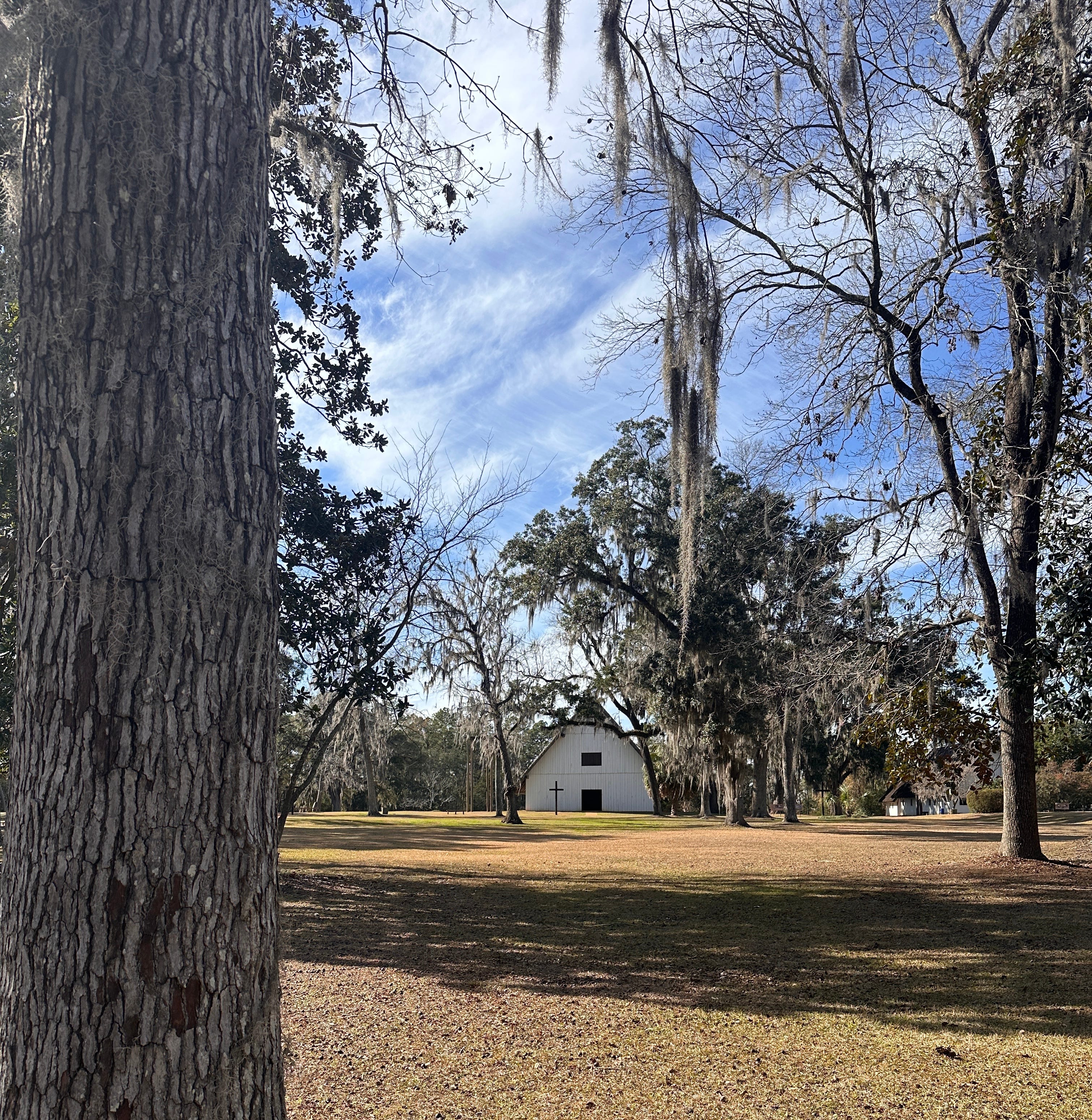
David Wells points out that there are three distinct designations of “Appalachian”: the village or province, the indigenous tribe, and the mountain range.4
A widespread legend has it that Hernando De Soto or the surviving members of his expedition named the mountains. Henry Gannett in The Origin of Certain Place Names in the United States, published in 1905, writes, “The name was given by the Spaniards under De Soto, who derived it from the name of a neighboring tribe, the Apalachi….the name was given by Spaniards under De Soto in 1539 for the Apalachee Indians whose name meant ‘people on the other side’ (of a river presumably).
He goes on to point out, however, that there is no evidence to suggest that De Soto or his Spaniard posse ever intended to name the actual mountains after the Apalachee.
The best explanation of the De Soto legend may be that the early mapmakers, confused by the vague accounts of locations and distances given by the Spanish explorers, transposed the territory of the Apalachee further north.
This would explain why the modern-day Appalachian mountain range is named as such, given that the Apalachee were indigenous to the Florida panhandle.5
Narvaez Expedition
The very first documented encounter between Euro-cuck colonizers and the Apalachee was the Panfilo de Narvaez expedition in 1528
Within a few days of Narvaez’ landing, a scouting party along the shore found pieces of cloth, items possibly of European origin, and traces of gold. “Having by signs asked the Indians whence these things came, they motioned to us that very far from there, was a province called Apalachen, where was much gold, and so the same abundance in Apalachen of everything that we at all cared for.”
French Hugenots
At least as far as the mountain range itself goes, Wells argues the French Hugenot expedition of Rene de Laudonniere in 1564 should be credited with its naming, specifically a French artist named Jacques le Moyne de Morgues.
A description on the engraving of a painting he created read as follows: A great way from the place where our fort was built, are great mountains, called in the Indian language Apalatcy; in which, as the map shows, arise three great rivers, in the sands of which are found much gold, silver, and brass, mixed together.
What about the Apalachee name and the word itself?
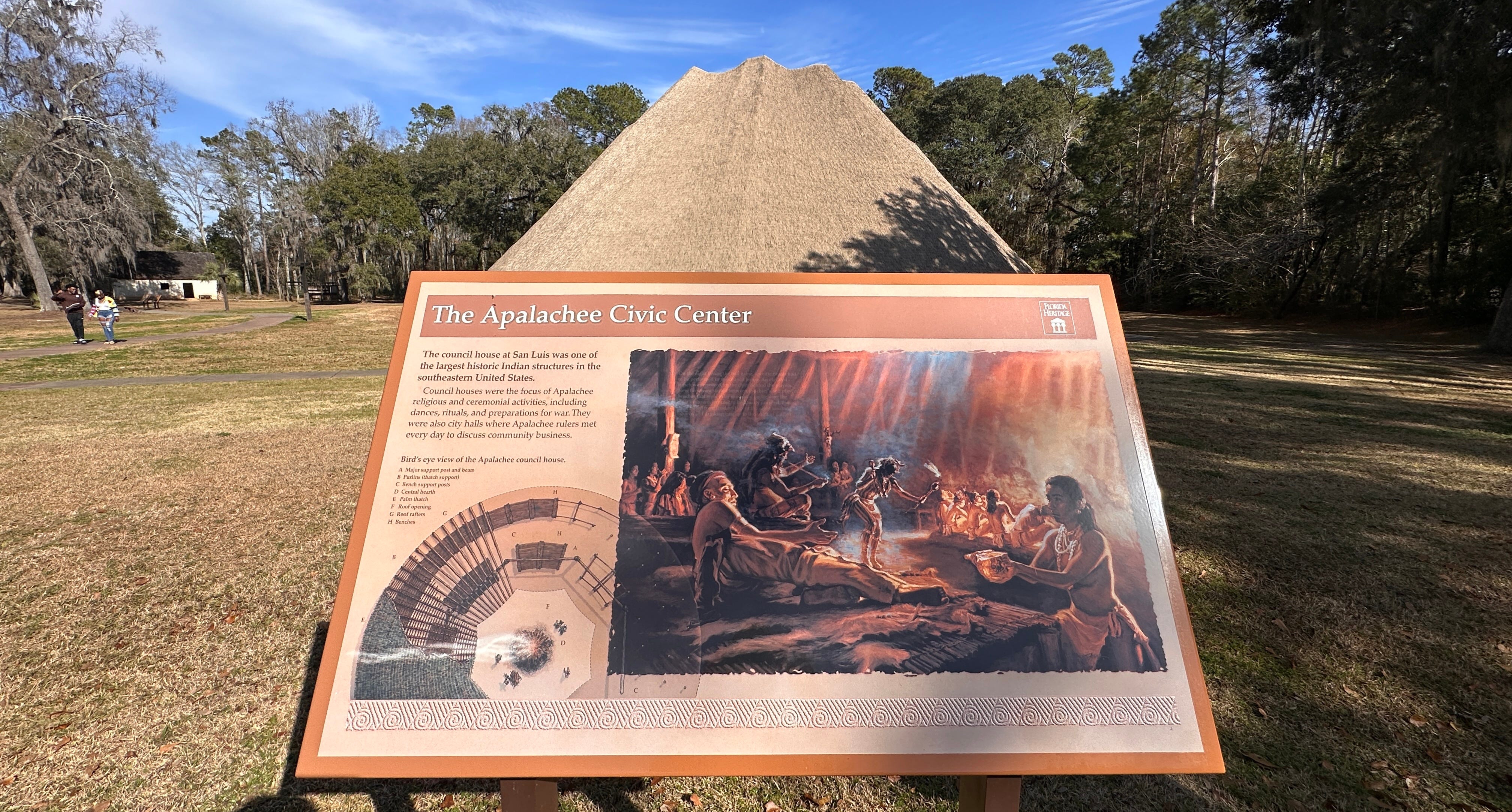
There are very few Apalachee people left in this country. The Apalachee Indians of Anhaica offered this explanation for their name:
The name Apalachee comes from the language of what was our Hitchiti neighbors and means “people on the other side.” Our original name for ourselves was never recorded; it’s possible that the Apalachee normally identified by village name, as many Southeastern people did, rather than using a special name to refer to our tribe in general. We were also sometimes known as San Luis Indians, after the name of the Spanish fort based in our territory, Mission San Luis de Talimali. The spelling we use today is Apalachee, but alternate spellings of our name have included Appalachi, Apalache, Appalachee, and Apalachi.
“Our original name was never recorded” hit me like a freight-train. I think it is very revealing that we may not have proper documentation providing evidence for the name “Apalachee”, though this is only one resource suggesting this.
How the Spaniards say it
The original Spanish way of spelling the word was “Apalache”, and as I have been informed, Spanish pronunciation guidelines would suggest AH-pah-LAH-chay is how that is pronounced.
Apalachee native pronunciation guide
I found a general pronunciation guide on native-languages.org that come from 17th-century Spanish records. They claim the orthography resembles Spanish more than English. So again, this is a Spanish interpretation of the Apalachee language.
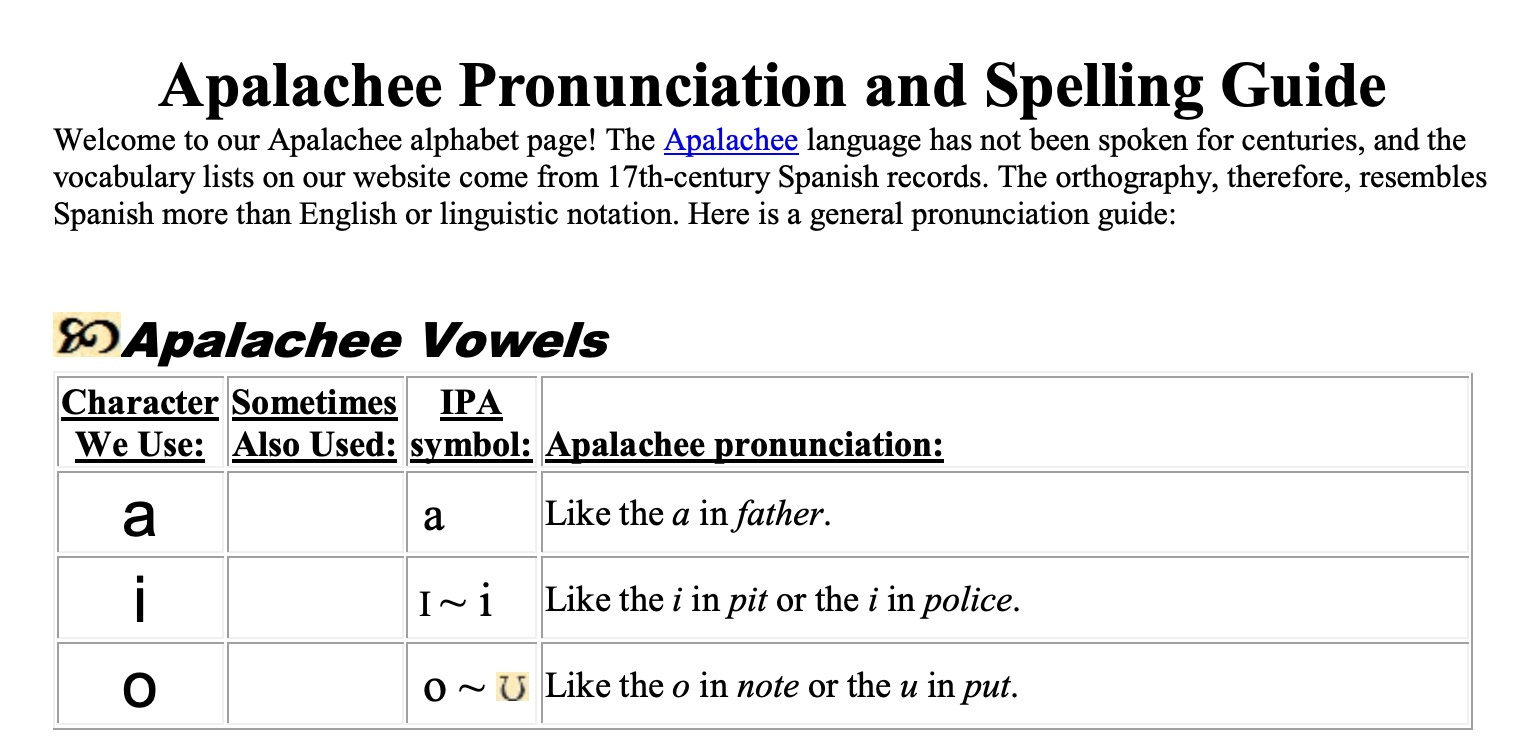
If we treat it like a traditional Spanish pronuciation like I mentioned above, this doesn’t feel very significant. However, the native language guide suggests the “a” sounds like the “a” in father — like the opening-your-mouth-for-the-dentist sound, rather than a screaming-at-the-monster-under-your-bed sound.
A sociolinguist who reached out to me after I shared this image on Instagram said the following, which I think is helpful:
“with a three vowel system like this, there is going to be variability in the way /a/ is pronounced. It probably could range anywhere from the a in “bat” to “father” to “bot” and even “bought.” Basically, if it isn’t a high vowel it’s a low vowel and would be heard as the /a/ — even the vowel in the word “bet” could fit into this category. Its just hard to say with any certainty that this is the origin.
The ‘because it was said like that in the indigenous langauge it comes from’ justification for LATCH just doesn’t hold the way people want it to.”
Fascinating. I love having a modestly large IG following that allows me to reach people with expertise like this!
Conclusion?
There are many smarter people than me who have studied linguistics, the history of the Apalachee people, early colonization of the American territories, and the like. I will link to some below if you’d like to explore this further.
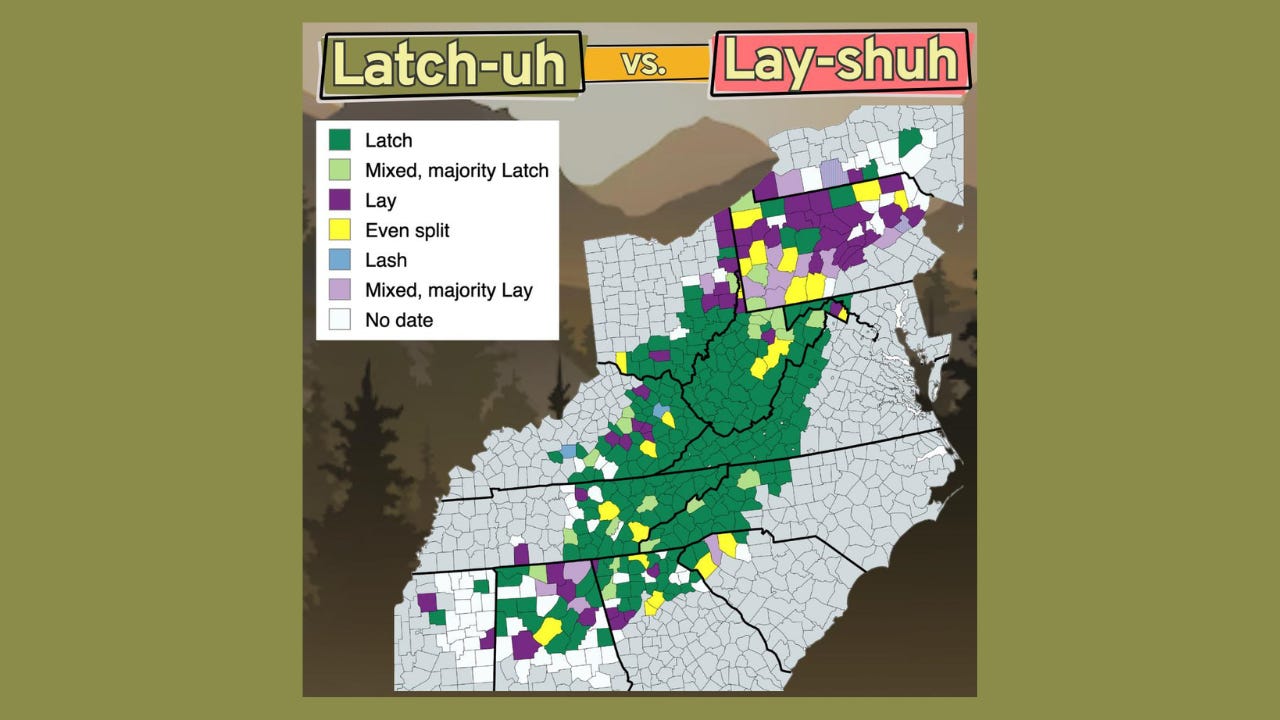
My conclusion, though, is that I do not think sufficient evidence exists to DEFINITIVELY say that the Apalachee people pronounced it like the more common “Ah-Puh-latch” style that many on the internet will give left and right kidneys to defend.
I’m very clear that I say it with a latch, like roughly 80% of the region, but I don’t believe “lay-shuh” is inherently “incorrect.” I think language is allowed to adapt and evolve, and it shouldn’t be used to diminish someone’s upbringing or connection to where they are from.
Some things worth checking out:
Appalachia as Contested Borderland of the Early Modern Atlantic, 1528-1715, by Kimberly Borchard
Apalachee : the land between the rivers, by John Hann
An Apalachee Vocabulary, by Geoffrey Kimball
I fucking hate using this term but I genuinely don’t know how else to describe it, and this is probably just bringing up internet drama anyway. My point is there are some people who will chastise others for saying “lay-shuh” by arguing that they are disrespecting the indigenous Apalachee people pronouncing it that way. I think this argument is a bit silly because language is allowed to evolve yadda yadda etc. etc.
Those sources are a bit older, so its possible new revelations have emerged. Though I have yet to find said revelations.
Me, not King Charles
All blocked quotes from here until mentioned otherwise are from the Wells paper
Google the highest point of elevation in Florida. Its hilariously low.